
Unraveling Velvet Moments: Real-World Lessons for Wedding Photographers
Welcome to Laniper, where education isn't just about ticking boxes—it's about those moments that stick with you long after class ends. Whether you're training as a wedding photographer, exploring portrait photography, or preparing for your next photoshoot in our photo studio, you'll find lessons that connect theory with real-world practice—and experiences that don't fade.
99%
Accessibility support92%
Course completion88%
Annual retention94%
Job placementWedding Photography by the Numbers
At Laniper, we believe numbers should tell a story—one about growth, skill, and real results. Sharing our educational statistics isn’t just about showing off; it’s about being open with our community and holding ourselves accountable. When students see how many people complete our wedding photography courses and actually find success afterward, it paints a clear picture: what we teach truly translates into confident, capable photographers ready for the big day.




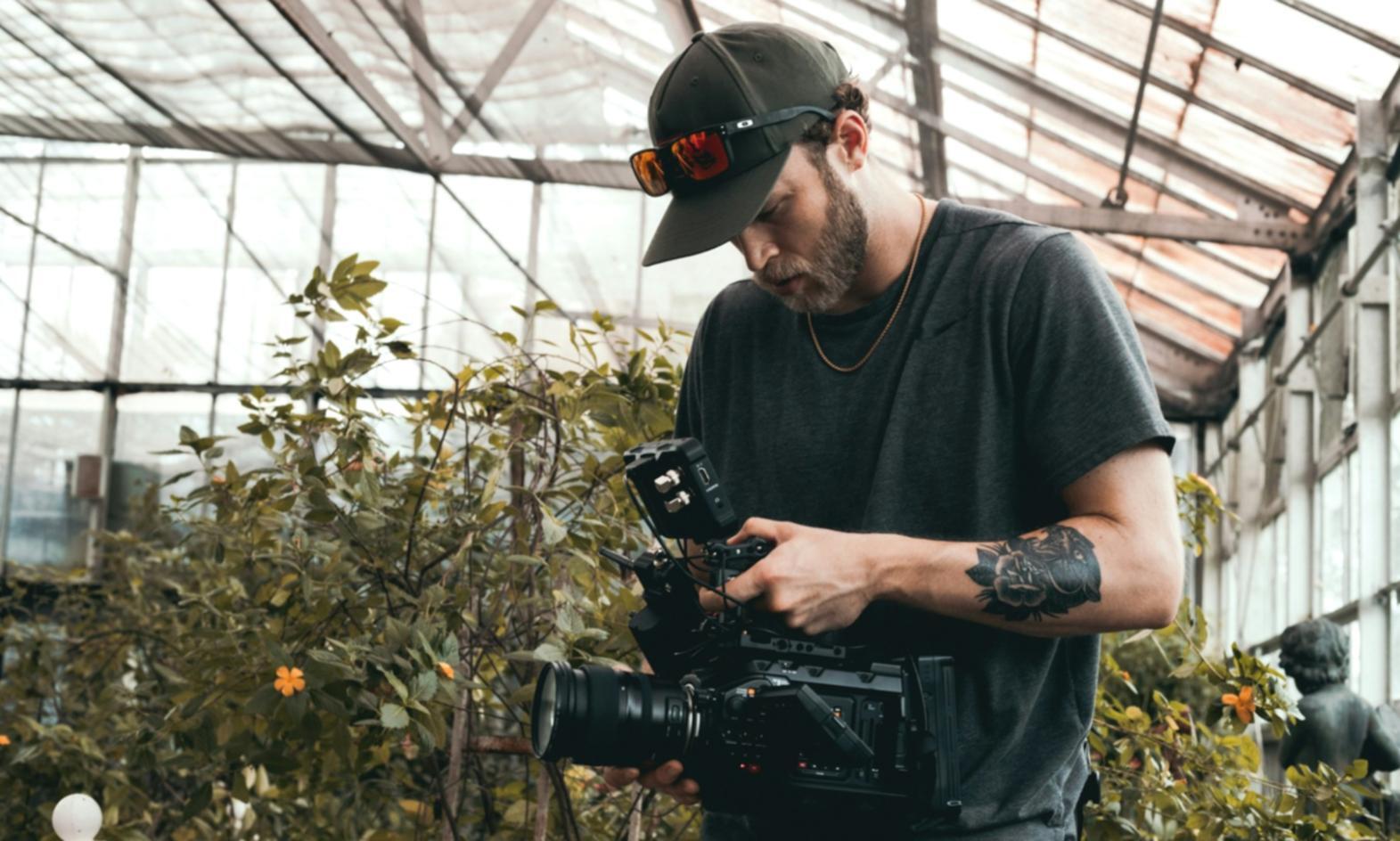
Step Behind the Lens—Capture Love's Story
When we started shaping Laniper’s approach to wedding photography, it was honestly a response to a kind of itch—this gap between what most courses teach and what shooting real weddings actually demands. I remember sitting in a cramped room, reviewing someone’s portfolio, and thinking: they know the rules, sure, but they don’t know how to break them with purpose. That’s where our structure comes in. Think of it like learning to cook: at first, you need recipes and methods, but eventually, you’ve got to taste, adjust, and trust your instincts. Our learning pathways give you that recipe book—foundational techniques, the logic behind composition and lighting, handling unpredictable moments—but from the very start, you’re nudged to wander off-script. We let you try, stumble, and experiment, then circle back to the core concepts with a clearer sense of why they matter. And honestly, that’s where it gets fun—seeing someone’s style start to peek through the scaffolding. There’s a rhythm to the way we pair challenge and support, and I’m especially fond of how we handle feedback. It’s not just “here’s what you did wrong”; it’s a conversation, sometimes a debate. And the theory isn’t just left on the page. You’ll hear me go on about this a lot—I’m a bit obsessed—but translating abstract stuff (like visual storytelling or anticipating emotion) into muscle memory is what separates a passable wedding photographer from someone couples remember years later. We’ll push you. But we’ll also show you, side-by-side, how a concept shifts under real wedding-day pressure. One detail I still bring up: we make everyone shoot at least one mock ceremony in an actual, candle-lit church—because there’s no substitute for learning how to handle tricky light and nervous people at the same time. In the end, it’s not about creating clones. It’s about getting you to the point where you can walk into any wedding, any chaos, and know both what you want to see and how to get it. And if you’re a little nervous about that? Good. That means you care.
Begin RequestChoose Your Learning Path
When we set out to design our course pricing, we wanted it to actually make sense for real people—so we kept things clear and adaptable, without any buried surprises. I’ve always felt that learning should bend around your life, not the other way around, and that’s really the heart of how we’ve approached this. Maybe you’re here to try something new, or you’re aiming for a more structured path—either way, you deserve options that let you move at your own pace. Finding the right fit matters more than anything else. So—take a look below. Discover which of our learning plans best fits your goals:
-
Lite
If you’re considering the Lite pathway for your wedding photography, you’ll find it’s a refreshingly focused option—less about elaborate extras, more about straightforward, essential coverage. You’ll get a thoughtfully edited set of images that capture the core moments, but not the full day or every tiny detail. The timeline runs tighter: we won’t be present from dawn until midnight, but we will catch the highlights that matter most. I will say—creative portrait sessions or elaborate scene setups aren’t part of this tier, which some couples find actually simplifies their decision-making. If you’re the type who values simplicity and clarity over endless customization, this might feel like a relief. And—I’ve often noticed—people who choose Lite usually want their memories preserved without feeling like the day itself becomes a production.
380 $ -
Pro
If you’re weighing the Pro tier for our wedding photography development, think of it as a trade: you commit a bit more time and trust, and in return, you get hands-on feedback (not just generic tips), access to full-resolution galleries, and the chance to actually shape the editing direction—not just observe it. And yes, there’s something almost collaborative about the way we go back and forth on your images, which isn’t really common in these kinds of services. The real draw? You aren’t just paying for polish—you’re paying for a process where your vision has room to breathe, even if it means we occasionally disagree about a color grade.
590 $ -
Standard
What sets the Standard level apart, really, is how it covers what most couples actually look for without getting bogged down in extras they might not need. There’s the full ceremony, of course—front to back, not just highlight snippets—which means you can hear that nervous laughter again or catch the way your brother fidgets with his tie when he thinks no one’s watching. And yes, you get a good batch of candid moments, not just posed groups, and these are often the photos people come back to years later. The editing’s careful but not showy; you won’t see heavy filters or strange colors, just something close to how the day felt. I’ve noticed couples who pick this usually want reliability and honesty more than flash—they want to remember how things actually happened, messiness and all. If you’re after a full retelling but don’t need every single angle or all the extras, this often fits. There’s a realness to it—nothing feels staged for the sake of the camera, and at least once someone’s told me, “I barely knew you were there.”
470 $
Dive Into Learning: What Awaits You
-
Advanced understanding of the role of online learning in emotional intelligence
-
Enhanced adaptability to new technologies
-
Enhanced ability to collaborate across time zones
-
Greater proficiency in virtual project management
-
Refined strategies for promoting online cybersecurity education
-
Enhanced facilitation of virtual internships in graphic design
-
Advanced data interpretation
-
Improved interactive learning modules

The Professional Backbone
Laniper
Brayden
Brayden’s approach to teaching wedding photography is a bit like watching a seasoned chef improvise with whatever’s in the fridge—there’s theory, sure, but he’s always got a real-world scenario up his sleeve to make things stick. He’ll take something abstract, like “narrative tension,” and suddenly you’re talking about a bakery in Naples or a jazz club in Chicago—places and people that have nothing to do with weddings, but somehow, every student gets it. The classroom isn’t silent; someone’s always dragging in a story from their last shoot, or Brayden’s tossing out a curveball—“What if the groom’s lost his shoes?”—and everyone’s laughing, but also learning to think on their feet. Before Laniper, Brayden bounced between the usual lecture halls and these wild experimental labs where, apparently, you could photograph anything from robots to thunderstorms. You can feel that mashup energy in his sessions, where he’s just as likely to ask about your favorite album as your camera settings. I once noticed a faded postcard above his desk—something about light in the Arctic winter—which he never mentions, but it tells you a lot. He almost never brings up his published articles, but people in the business sometimes reference his work without knowing he wrote it. What’s funny is, students walk away talking less about f-stops and more about how they now approach problems sideways. Some say Brayden’s classes untangle the knots in their thinking, not just their photography. Isn’t that the thing, though? The way he teaches ends up changing how you learn, whether you meant for it to or not.